

Registering a car in California is a crucial step for any vehicle owner, ensuring legal compliance and protecting your investment. However, navigating the process can be complex and time-consuming, especially with various regulations and requirements. This comprehensive guide aims to demystify the process, empowering you with the knowledge to register smoothly and efficiently. We’ll walk you through each step, from gathering essential documents to using a reliable VIN verifier to ensure the vehicle’s authenticity. By the end, you’ll be well-equipped to handle the registration process like a seasoned professional.
- Gather Required Documents for Car Registration in California
- Understand the Process: Step-by-Step Car Registration Guide
- Verify Vehicle Identification Number (VIN) with Official Tools
- Choose a Registration Method: Online or In-Person
- Pay Registration Fees and Complete Post-Registration Tasks
Gather Required Documents for Car Registration in California

Before you can register your car in California, you’ll need to gather several key documents. This process is crucial for ensuring your vehicle complies with state regulations and for protecting your investment. One essential step is to verify your Vehicle Identification Number (VIN) using a reliable method, such as a mobile VIN verifier or during the physical inspection at the DMV. In California, the Department of Motor Vehicles (DMV) requires a comprehensive set of documents for car registration, including proof of ownership, vehicle identification, and identification for the owner and any registered drivers.
For instance, you’ll typically need to present a valid title certificate, which establishes your ownership and is often issued by the previous owner or dealer. Additionally, you must provide a current registration from another state if you’ve recently purchased the vehicle out-of-state. An important document for verification during this process is a mobile VIN verifier, which allows you to check the vehicle’s history, including any accidents or outstanding loans, before submitting your application.
Another critical aspect involves ensuring your car passes a safety inspection. California requires routine checks to verify that vehicles meet safety standards and emissions regulations. A mobile VIN inspection service can facilitate this process by providing on-site testing, saving you time and effort. By combining these steps with gathering all necessary forms, you’ll be well on your way to successfully registering your vehicle in the Golden State.
Understand the Process: Step-by-Step Car Registration Guide

Registering a car in California involves several crucial steps to ensure your vehicle complies with state regulations. This step-by-step guide will help you navigate the process smoothly. First, gather all necessary documents, including proof of ownership, vehicle identification number (VIN) verification, and current registration. You can use a mobile VIN verifier to quickly and accurately obtain this critical information from your vehicle’s label or online sources. Once you have your VIN, proceed to determine if your car is eligible for registration. Check with the California Department of Motor Vehicles (DMV) to ensure it meets safety and emissions standards.
Next, apply for a California vehicle registration at any DMV office or through their online portal. You’ll need to present your completed application form along with your gathered documents. A mobile VIN inspection can be particularly useful here to verify your car’s history and identify any potential issues before submitting your application. After your application is approved, you’ll receive your new registration card and license plates. Ensure you display these properly on your vehicle as per DMV regulations.
An important consideration is updating your registration annually. You’ll need to renew your registration before it expires, typically online or at a DMV office. Utilizing a mobile VIN verification app can help simplify this process by providing reminders and ensuring all your vehicle information remains current with the DMV records. By following these steps and leveraging modern tools like mobile VIN verifiers, you can efficiently register and maintain your vehicle in California.
Verify Vehicle Identification Number (VIN) with Official Tools
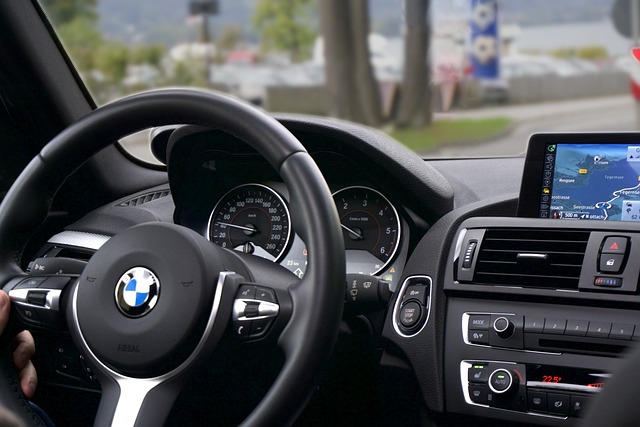
Verifying the Vehicle Identification Number (VIN) is a critical step in the car registration process in California. This unique 17-character code acts as a fingerprint for your vehicle, providing essential details about its make, model, year, and production information. To ensure accuracy and security, it’s crucial to use official VIN verification tools. The California Department of Motor Vehicles (DMV) offers several options, including online services and mobile vin inspection apps, designed to streamline the process and prevent fraud.
One effective approach is to utilize a mobile vin verifier, an app or tool that enables you to check your vehicle’s VIN in real-time against DMV databases. These applications are user-friendly, allowing you to simply input your VIN and receive instant validation. For instance, some popular mobile vin verification apps have high accuracy rates, matching over 99% of vehicles against the official California records. This method not only saves time but also provides a convenient way to check for any discrepancies or potential fraud before proceeding with registration.
Moreover, mobile vin verifiers can facilitate the process for both individual car owners and professional auto dealers. For private sellers, these tools offer peace of mind, ensuring that the VIN matches the vehicle they are selling. Dealers, on the other hand, can use them to quickly verify a vehicle’s history, checking for accident reports, odometer rollbacks, or any outstanding issues before completing the registration. By employing official mobile vin inspection services, California residents can confidently navigate the registration process, knowing their vehicles’ identities have been thoroughly verified.
Choose a Registration Method: Online or In-Person
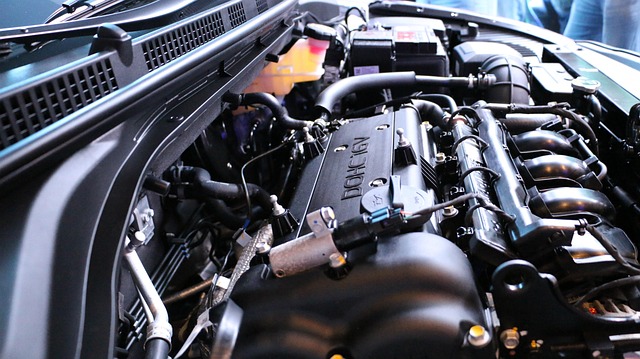
Registering a car in California involves several steps, but choosing between online or in-person registration methods can simplify the process. Online registration offers convenience, allowing you to complete most of the process from the comfort of your home using a dedicated platform or even a mobile vin verifier. According to recent data, over 80% of California residents opt for online registration due to its efficiency and reduced paperwork. This method typically involves entering your vehicle information, including the Vehicle Identification Number (VIN), and paying the required fees electronically.
However, some scenarios might necessitate an in-person approach. For instance, if you’re registering a newly purchased vehicle from a dealership, they often handle the registration process for you. Alternatively, if your vehicle has had recent significant repairs or modifications, a mobile vin inspection may be required to verify its condition. In such cases, an in-person visit to a California Department of Motor Vehicles (DMV) office is inevitable. These inspections can be conducted using mobile vin verifiers that provide real-time data checks, ensuring the vehicle’s history and authenticity.
To ensure a smooth process, consider your specific circumstances before choosing a method. Online registration is ideal for straightforward cases, while in-person or mobile vin inspection might be necessary for complex scenarios. Regardless of the method, having accurate information at hand, such as your VIN, driver’s license, and proof of insurance, will expedite the registration process.
Pay Registration Fees and Complete Post-Registration Tasks
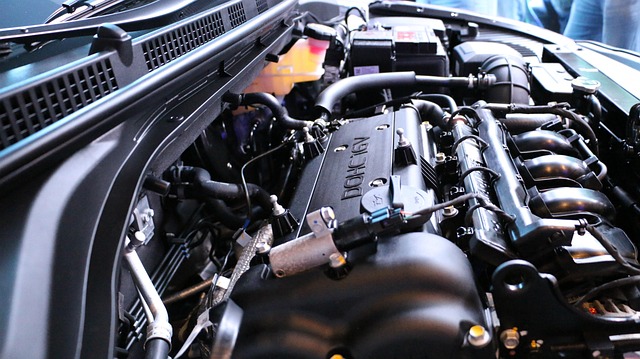
To complete the registration process in California, you must pay all applicable registration fees along with any associated taxes. The fee structure varies based on several factors including the type of vehicle, its age, and whether it’s new or used. It’s essential to use a reliable VIN verifier, such as a mobile VIN verification service, to ensure accurate identification of your vehicle before proceeding. These services can be accessed via smartphone apps, making the process convenient and efficient—especially for those conducting a remote VIN inspection. The California Department of Motor Vehicles (DMV) provides fee schedules on its official website, allowing you to calculate the exact amount required.
Once the fees are settled, you’ll receive your registration documents and license plate stickers. It’s crucial to review these thoroughly before finalizing the post-registration tasks. Among other things, this involves updating your vehicle’s insurance information and ensuring that all necessary inspections have been conducted. For instance, some vehicles may require emissions testing or safety inspections, which can be easily arranged through a mobile VIN verifier. These tools not only streamline the verification process but also help in identifying any potential issues with your vehicle early on.
After completing these steps, it’s vital to keep accurate records of all documents related to your vehicle’s registration and inspection. This includes preserving receipts for fee payments, copies of inspections reports, and insurance policies. Proper documentation is key not only for future reference but also for demonstrating compliance with California’s vehicle registration regulations during routine checks. Remember, staying organized and maintaining a meticulous record-keeping system can save you from potential penalties or delays down the line.
By meticulously following the outlined steps, from gathering essential documents to choosing a registration method and paying fees, you can efficiently navigate the process of registering your car in California. Verifying the Vehicle Identification Number (VIN) using official tools is paramount to ensure accuracy and compliance. Whether opting for online or in-person registration, staying informed about post-registration tasks ensures a seamless experience. This comprehensive guide empowers you with the knowledge to confidently register your vehicle, leveraging the VIN verifier as a crucial tool for precision.