

Registering a car in California is a vital step for any new owner, ensuring legal compliance and protecting your investment. However, navigating the process can be challenging, with its unique requirements and paperwork. This comprehensive guide aims to demystify the procedure, offering expert insights on every step. From understanding the necessary documents to the crucial role of VIN verification in ensuring vehicle authenticity, we’ll walk you through the entire journey. By the end, you’ll be equipped to register your vehicle smoothly and securely.
- Gather Necessary Documents for Car Registration
- Prepare Your Vehicle for Inspection and VIN Verification
- Choose a California Department of Motor Vehicles (DMV) Location
- Complete the Registration Application Form Accurately
- Pay Registration Fees and Obtain Your Vehicle's License Plate
Gather Necessary Documents for Car Registration

Registering a car in California involves several steps, but having the right documents is key to a smooth process. Before you begin, gather all necessary paperwork to ensure a seamless experience. The primary document you’ll need is the Vehicle Identification Number (VIN) verification. This unique 17-character code serves as a fingerprint for your vehicle and can be obtained through a VIN inspection or mobile VIN verifier. Consider using services that offer on-site or mobile VIN verification for convenience, especially if you’re in a hurry.
California requires specific documents for car registration, including the title certificate, proof of insurance, and a completed Application Form CM-605 (or CM-605A for new purchases). The VIN is crucial here, as it must match the information on the title and other documentation. It’s not uncommon for issues to arise if these details don’t align, so double-checking your VIN during the collection process is essential. For instance, a mobile VIN verifier can quickly cross-reference your vehicle’s data with state records, ensuring accuracy and saving you time.
Additionally, prepare personal documents such as a valid driver’s license or state ID and proof of residency. These will be required to verify your identity and address during the registration process. Having these in order ahead of time streamlines the entire procedure. Remember, accurate and complete documentation is vital to avoid delays and potential penalties when registering your vehicle in California.
Prepare Your Vehicle for Inspection and VIN Verification
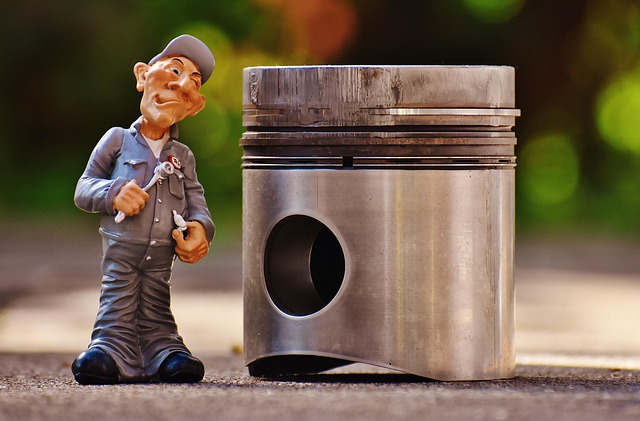
Before registering your vehicle in California, it’s crucial to prepare your car for the essential inspection and VIN (Vehicle Identification Number) verification process. This step is a critical aspect of ensuring your vehicle meets all safety and legal standards required by the state. During this phase, you’ll need to demonstrate that your car has passed emissions testing and that its VIN is accurate and verified, which can be efficiently accomplished with the aid of a mobile VIN verifier.
In California, vehicles must undergo an annual inspection to check for safety systems, lighting, brake performance, and vehicle dynamics, among other factors. Additionally, the state mandates a rigorous verification of the VIN, a unique identifier that provides vital information about the vehicle’s history. This is where a mobile VIN verification service can greatly streamline the process. These services allow you to obtain an accurate VIN reading from your phone or computer, ensuring there are no discrepancies between the car’s documentation and its actual specifications.
For instance, consider a scenario where you’ve recently purchased a classic car that was originally registered out of state. A mobile VIN verifier can cross-reference the provided number against comprehensive databases to confirm its authenticity and history, eliminating any potential issues during the registration process. This is especially beneficial in California, where strict regulations demand meticulous record-keeping for all vehicles on the road. By embracing modern solutions like mobile VIN verification, you can ensure a smoother, more efficient car registration experience while adhering to the state’s stringent requirements.
Choose a California Department of Motor Vehicles (DMV) Location
Choosing the right California Department of Motor Vehicles (DMV) location is a crucial step when registering your car in California. With multiple branches across the state, understanding what each offers can streamline the process and reduce wait times. If you’re seeking convenience, consider using a mobile VIN verifier for initial inspection, as this allows you to verify your vehicle’s history from the comfort of your home or even while on the go. The DMV’s online tools can help pre-check eligibility based on your vehicle information, saving time at the branch.
For instance, some locations offer specialized services like same-day registration for cars already owned within California, while others might excel in handling complex matters such as out-of-state transfers or title corrections. If you’re dealing with a unique scenario—like registering an imported vehicle—opt for a DMV with experience in these cases to avoid unnecessary delays. Data shows that mobile VIN verification services can reduce inspection times by up to 30%, making the process faster and more efficient.
When visiting, ensure you bring all required documents, including proof of insurance, your driver’s license, and any relevant sales or ownership records. If needed, many DMVs now offer appointment scheduling for registration, providing a smoother experience. Some locations may also provide additional services like vehicle titling or license plate requests alongside standard registration procedures.
Complete the Registration Application Form Accurately
Registering a car in California involves completing several forms, including the Registration Application Form (DMV Form RE 105). Accurately filling out this form is crucial for a smooth and successful registration process. Begin by double-checking that all vehicle information is correct, from make and model to year and color. A key component of this process is ensuring accurate Vehicle Identification Number (VIN) verification. This unique 17-character code serves as the car’s fingerprint, facilitating ownership tracking and history inspection. It’s recommended to obtain a mobile VIN inspection or verification service for added convenience and accuracy.
When completing the form, pay close attention to fields related to ownership history, insurance details, and any previous registrations. These sections require meticulous care to avoid discrepancies that could delay processing. For instance, California’s Department of Motor Vehicles (DMV) may request supporting documents if there are inconsistencies in your responses. To streamline this process, have all necessary paperwork readily available, including title documents, proof of insurance, and any prior registration records.
Furthermore, be thorough when listing previous or subsequent owners, as this information is vital for VIN verification processes, especially through mobile inspection services that can cross-check data against state databases. A recent study found that approximately 10% of registration applications in California required additional verification due to inaccuracies, underscoring the importance of meticulous attention to detail during form completion. To ensure compliance and avoid potential issues, always consult the DMV’s official website for the most current requirements and guidelines.
Pay Registration Fees and Obtain Your Vehicle's License Plate

After completing your California vehicle registration application, the next crucial step is to pay the required fees and obtain your vehicle’s license plate. The California Department of Motor Vehicles (DMV) outlines clear procedures for this process, ensuring that every vehicle on California roads is properly registered and tracked through its unique Vehicle Identification Number (VIN). The VIN verification process plays a vital role in this procedure, as it ensures the authenticity and history of your vehicle.
Registration fees vary based on several factors, including the type and age of your vehicle. It’s essential to check the current fee schedule on the DMV website or at a local DMV office. You can expect to pay for registration, title transfer (if applicable), and possibly additional fees like emissions testing or vehicle light inspections. Once you’ve paid, you’ll receive a confirmation receipt and can proceed with obtaining your license plate. This typically involves scheduling a VIN inspection at a designated location or utilizing mobile VIN verification services that allow for convenience and flexibility in the process.
Mobile VIN inspection is an increasingly popular option, offering drivers the ability to complete their VIN verification quickly without visiting a DMV branch. This service sends a trained inspector to your location, who will perform a comprehensive vehicle inspection, including checking the VIN, mileage, and overall condition of the vehicle. It’s particularly useful for those with busy schedules or limited mobility. Many companies offer this service, often at competitive rates and with quick turnaround times. Utilizing these modern solutions can make the registration process seamless, ensuring you hit the road legally and confidently.
By meticulously following these steps, from gathering essential documents to completing the registration application and paying fees, you can successfully navigate the process of registering your car in California. Ensuring your vehicle passes inspection and undergoing VIN verification are critical components that guarantee a smooth registration experience. Choosing the right DMV location allows for efficient service, while accurately filling out forms prevents delays. Ultimately, this article equips you with the knowledge to confidently register your vehicle, leveraging California’s well-structured system for a swift and successful outcome.