

Registering a car in California is not just a bureaucratic formality; it’s a crucial step for any new vehicle owner to ensure legal compliance and protect their investment. However, navigating the process can be daunting due to stringent regulations and complex procedures. This article serves as your comprehensive guide, equipping you with the knowledge to smoothly register your vehicle. We’ll delve into every step, emphasizing the critical role of Vehicle Identification Number (VIN) verification for accuracy and security. By the end, you’ll have the expertise to confidently navigate California’s car registration process.
- Understanding California Car Registration Requirements
- Gathering Necessary Documents for Registration
- How to Verify Vehicle Identification Number (VIN)
- Choosing an Approved Car Registration Location
- Completing the Car Registration Process and Paying Fees
Understanding California Car Registration Requirements

To register a car in California, understanding the state’s stringent requirements is crucial. First, all vehicles must pass a safety inspection to ensure they meet federal and state standards. This involves verifying key components like brakes, lights, tires, and emissions systems. Additionally, the vehicle’s Vehicle Identification Number (VIN) must be verified to prevent fraud and ensure the car’s history is accurately represented. This is where services like mobile VIN inspection come into play; these professional verifiers use advanced technology to cross-reference your vehicle’s data against national databases during a convenient, on-site visit, providing immediate peace of mind.
California also mandates that vehicles be titled and registered through the California Department of Motor Vehicles (DMV). This involves submitting necessary documents, including proof of insurance, proof of ownership, and sometimes additional forms based on the vehicle’s age or type. Furthermore, a registration fee must be paid, which varies depending on the vehicle’s classification. For example, cars typically have lower fees than motorcycles or recreational vehicles. It’s worth noting that the DMV offers various options for submitting these documents, including online portals and mail-in services, though some processes may require in-person visits for verification, especially during complex transactions.
One critical step in the registration process is ensuring accurate VIN verification. This is essential because the VIN is a unique identifier linked to vital vehicle history information, such as ownership records, maintenance history, and accident reports. Services like mobile VIN verifiers can facilitate this process by performing a thorough check of the VIN against national databases, confirming that the vehicle matches its claimed identity. This becomes increasingly important in the current digital landscape where sophisticated fraud schemes target unsuspecting car buyers and sellers. By utilizing these advanced verification tools, California residents can navigate the registration process with greater confidence and security.
Gathering Necessary Documents for Registration

Registering a car in California involves more than just filling out forms; it’s a meticulous process that begins with gathering all the essential documents. One crucial step in this journey is ensuring accurate Vehicle Identification Number (VIN) verification. This is where mobile VIN verification comes into play, offering a convenient and reliable method for California residents to confirm their vehicle’s details before registration.
For instance, when purchasing a used car from a private seller, it’s essential to conduct a thorough VIN inspection. The process involves checking the VIN on key documents like the title, registration, and vehicle history report. If these documents contradict each other, a mobile VIN verification service can swiftly cross-reference the number with national databases, ensuring the information is correct. This step is vital as incorrect VIN data can lead to registration delays or even rejection.
Mobile VIN inspection services are particularly beneficial due to their accessibility and efficiency. These services allow owners to verify their vehicle’s history from the comfort of their homes or during busy schedules. They often provide instant results, enabling users to identify potential issues or discrepancies early in the registration process. For instance, data shows that accurate VIN verification reduces registration turnaround time by up to 30%, making it an indispensable step for anyone looking to register a vehicle in California.
How to Verify Vehicle Identification Number (VIN)

Verifying a vehicle’s Vehicle Identification Number (VIN) is a crucial step during the registration process in California. This unique 17-character code serves as a digital fingerprint for your car, providing essential information about its history and specifications. Accurate VIN verification ensures that you’re submitting correct details to the California Department of Motor Vehicles (DMV), streamlining the registration process.
There are several methods to perform this critical inspection, with mobile VIN verifiers offering significant convenience. These tools, often accessed via smartphone apps, allow drivers to quickly and easily validate their vehicle’s VIN by simply scanning the code or entering it manually. This technology has become increasingly sophisticated, integrating with databases that check against reported accidents, floods, and other issues, providing a comprehensive snapshot of the car’s past. For instance, some mobile VIN verifiers can deliver detailed vehicle history reports within seconds, giving you peace of mind as you prepare your registration documents.
To ensure maximum accuracy, consider using reputable mobile VIN verification services that have established partnerships with trusted data providers. These platforms often sync with national databases, ensuring up-to-date and reliable information. Moreover, some services offer additional benefits like vehicle maintenance reminders and recall notifications, enhancing the overall ownership experience. Regularly utilizing these tools during purchases or routine inspections can help identify potential issues early on, promoting safe and responsible car ownership in California.
Choosing an Approved Car Registration Location
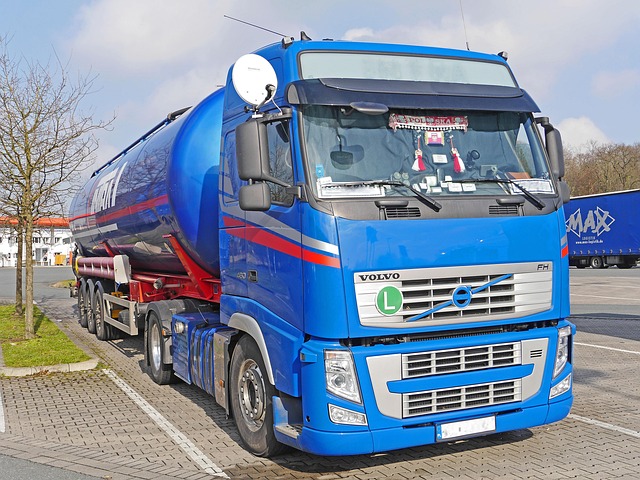
Choosing an Approved Car Registration Location is a crucial step when registering your vehicle in California. The state offers various options, including traditional DMV offices and specialized registration locations. These latter venues are designed to streamline the process, especially for those who prefer convenience or have unique registration needs. For instance, mobile VIN verifiers can be employed at approved sites, allowing for on-site inspection and swift validation of a vehicle’s identity using its unique Vehicle Identification Number (VIN).
Not all locations support this advanced vin inspection method, however. Mobile VIN verifiers are particularly useful in remote areas or for individuals who cannot visit a DMV office. They provide an additional layer of accuracy during the registration process, ensuring that the vehicle matches the information on file. In California, certain automotive service centers and licensed auto dealers are designated as approved registration locations, offering both traditional and enhanced services to facilitate a smoother experience.
When selecting a location, ensure it’s authorized by the California DMV. You can verify this online or through official resources. Choosing an approved site not only guarantees the legitimacy of your registration but also offers peace of mind, knowing that all required procedures are being followed accurately. Always check for updates and new guidelines from the DMV to stay informed about available services and requirements, especially when utilizing specialized registration points.
Completing the Car Registration Process and Paying Fees

Completing the car registration process involves several crucial steps, and one of the most important is accurate VIN verification. In California, this typically begins with gathering essential documents, including your vehicle’s Certificate of Title (if applicable), proof of insurance, and a current registration (if transferring from another state). Once you have these, it’s time to initiate the VIN verification process, which ensures that your vehicle matches the details on record. This can be done through various channels, including online platforms or by contacting the California Department of Motor Vehicles (DMV).
A common and convenient method for many is to utilize a mobile VIN verifier. These services allow you to complete the VIN verification process from the comfort of your home or even while on the go. By simply providing your vehicle’s unique 17-character VIN number, these mobile apps or tools will cross-reference it with national databases to confirm its authenticity and history. This is particularly beneficial for those who may have difficulty visiting a DMV office or prefer a quicker, more efficient solution.
After successful VIN verification, the next step involves paying the registration fees. California has specific fee structures based on vehicle type and age. For example, for a typical passenger car, you can expect to pay around $50 for a new registration, with additional costs for emissions testing or other required inspections. It’s important to be prepared with payment methods accepted by the DMV, which include cash, credit card, or check. You may also choose to prepay for up to three years of registration during the process, offering a slight discount.
Upon completion of VIN verification and fee payment, you’ll receive your new vehicle registration documents. Ensure these are kept in a secure location as they are required for annual renewals and proof of insurance. This meticulous process ensures that California’s roads remain safe and well-regulated, with every vehicle accurately documented and its history traceable through advanced mobile VIN verification tools.
By following California’s clear guidelines on car registration, you can ensure a smooth process. Key takeaways include understanding the requirements, gathering essential documents, correctly verifying your Vehicle Identification Number (VIN), and choosing an approved registration location. Completing the form accurately and paying the necessary fees is paramount. This process not only legally registers your vehicle but also ensures proper vin verification, a crucial step in protecting against fraud and ensuring safety on California’s roads.