

Registering a car in California is not merely a bureaucratic formality; it’s a crucial step that impacts everything from insurance rates to vehicle resale value. However, navigating the process can be cumbersome, filled with intricate details and potential pitfalls. This comprehensive guide aims to demystify the procedure, ensuring you have a smooth experience. We’ll walk you through every step, from gathering essential documents to using a VIN verifier to confirm the vehicle’s history, empowering you to make informed decisions. Let’s get started on ensuring your car is legally registered and your peace of mind is intact.
- Understanding California Car Registration Requirements
- Gather Necessary Documents for Vehicle Registration
- Using a VIN Verifier to Check Vehicle History
- Complete the California Car Registration Application Process
- Submit Your Application and Receive Your Registration Papers
Understanding California Car Registration Requirements

Registering a car in California involves understanding specific requirements to ensure your vehicle complies with state laws. The process begins with gathering essential documents, including proof of ownership, valid identification, and a completed registration application. It’s crucial to verify the Vehicle Identification Number (VIN) during this phase, as it serves as a unique identifier for your car and is critical for both security and legal purposes. This can be efficiently accomplished through a mobile VIN verification service, ensuring accuracy and convenience.
California requires that all vehicles operated on its roads undergo an annual inspection to confirm they meet safety standards. This includes checking lights, brakes, tires, and other components. Additionally, the state mandates that the registration fee be paid, which covers various costs associated with maintaining public safety and road infrastructure. It’s important to note that certain vehicle types or those with modified engines might require additional inspections or documentation.
For out-of-state residents registering a car in California, there are specific guidelines to follow. You may need to provide proof of out-of-state registration, insurance, and emissions tests. A mobile VIN verifier can play a role here as well, facilitating the verification process and ensuring all documents align with the vehicle’s identity. By adhering to these requirements and utilizing modern tools like mobile VIN verification, car owners in California can ensure their vehicles are legally registered and safe for operation on public roads.
Gather Necessary Documents for Vehicle Registration

Registering a car in California involves several crucial steps, and one of the most vital is ensuring you have all the required documents. The process can be streamlined by utilizing modern tools like mobile VIN inspection and verification services. These services allow for convenient and accurate data capture using your smartphone, providing peace of mind that every detail is correct from the start.
Key among these documents is the Vehicle Identification Number (VIN). It’s a unique 17-character code that serves as the vehicle’s fingerprint. To gather this, you’ll need access to the car itself and reliable means to obtain its VIN. For instance, in California, you can typically locate it on the driver’s side door frame or the dashboard near the window. If purchasing from a dealer or private seller, request a clear, legible copy of the vehicle’s title and registration documents. These often include the VIN, making extraction easier.
Additionally, prepare identification documents for yourself and any other registered owners. This typically includes a valid driver’s license or state-issued ID card. If applying online, ensure you have your vehicle’s make, model, and year at hand to streamline the process. For those opting for mobile VIN verification services, these platforms will guide you through the required steps, often just involving taking photos of relevant documents and vehicle details using your phone, eliminating the need for manual gathering and ensuring accuracy via advanced vin verifier technology.
Using a VIN Verifier to Check Vehicle History
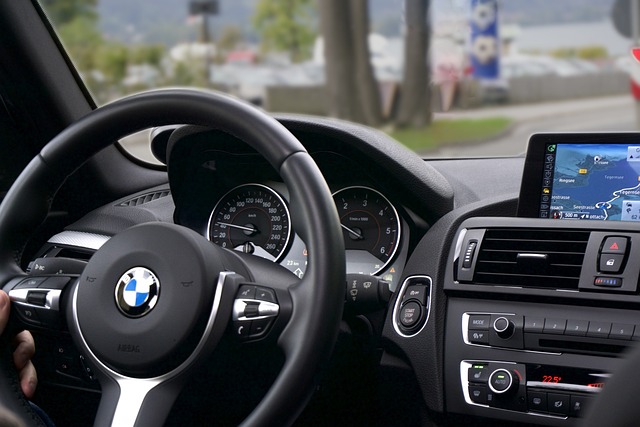
Registering a car in California involves several crucial steps to ensure a smooth process and a valid vehicle title. One critical aspect often overlooked is verifying the Vehicle Identification Number (VIN) history using a VIN verifier. This step is essential for buyers and sellers alike, as it provides insights into a vehicle’s past, including its original owner, accident history, and any potential mechanical issues.
A VIN verifier is a powerful tool that enables mobile vin inspection right at the convenience of your location. It works by cross-referencing the unique 17-character VIN with vast databases to uncover detailed information. For instance, a simple online or app-based VIN check can reveal if the vehicle has been in any accidents, major repairs, or if it’s a flood or odometer rollback victim. In California, where the market is vibrant with used car sales, this additional layer of scrutiny becomes invaluable. According to the California Department of Motor Vehicles (DMV), over 90% of vehicles registered in the state are used, emphasizing the need for thorough vehicle history checks.
Using a mobile vin verification service before purchasing a used car can save you from potential costly surprises. Imagine finding your dream car, only to discover later that it had been in multiple accidents or suffered significant structural damage. A simple $10-$20 VIN inspection could have revealed this red flag early on. Moreover, some unscrupulous sellers may attempt to conceal vehicle history through odometer rollback, a practice the DMV actively monitors. A well-informed buyer armed with a vin verifier can better navigate this labyrinthine process. Always remember that a thorough vin inspection is just one step in ensuring you get a reliable used car; other factors like a professional roadworthy test and a detailed vehicle inspection by a trusted mechanic are equally important.
Complete the California Car Registration Application Process

To complete the California car registration application process, you’ll first need to gather essential documents and ensure your vehicle meets state requirements. Start by acquiring a valid driver’s license or ID card from the California Department of Motor Vehicles (DMV). For new residents, proof of out-of-state registration or a released title is necessary. Additionally, you’ll require proof of insurance, which can be presented through an insurance card or official document. During the application, accurately enter your vehicle’s information, including its make, model, year, and Vehicle Identification Number (VIN). Accurate VIN entry is crucial for successful mobile VIN verification, a service that allows for remote inspection of a vehicle’s history.
Once all required documents are prepared, submit your application at a DMV field office or, if eligible, utilize the California Online Title and Registration system. If you prefer a more convenient approach, consider third-party services offering mobile VIN inspection. These services employ advanced technology to conduct a thorough VIN check, ensuring your vehicle’s authenticity and history. This step is particularly beneficial for buyers and sellers, providing peace of mind in today’s digital marketplace. After your application is processed, the DMV will issue a registration certificate and license plate, enabling you to legally operate your vehicle on California roads.
Regularly updating your vehicle’s registration is paramount to maintain compliance with state regulations. Failure to do so may result in penalties or the inability to renew your car’s registration. As an example, according to recent DMV data, over 10% of registered vehicles in California were delinquent on their registration fees, leading to thousands of vehicles being placed on the state’s abandoned vehicle list. To avoid such outcomes, stay current with your obligations by setting reminders or utilizing mobile apps designed for efficient DMV management.
Submit Your Application and Receive Your Registration Papers

After preparing your necessary documents and ensuring your vehicle meets all California registration requirements, it’s time to submit your application and receive your registration papers. This step involves a few crucial processes that require accuracy and attention to detail. Begin by filling out Form DV-140, which is the Application for Title and Registration. This form requests vital information about you as the owner and your vehicle, including its make, model, year, and unique Vehicle Identification Number (VIN). Accurately entering this data ensures a seamless registration process and helps prevent future issues with your car’s documentation.
Once your application is complete, submit it to the California Department of Motor Vehicles (DMV) along with all required documents, such as proof of insurance, identification, and payment for the registration fee. The DMV offers various methods for submission, including mail, online, or in-person at a local field office. For convenience and efficiency, many residents opt for mobile VIN inspection services that come to their location, allowing them to complete the application process without leaving home. These services verify your vehicle’s VIN through a mobile vin verification process, ensuring all details match the DMV records.
After processing your application, the California DMV will issue your registration papers. These documents officially register your vehicle and serve as proof of ownership and insurance. It’s essential to keep these papers secure and up-to-date, as they may be required for future transactions or when dealing with law enforcement. If you choose a mobile vin inspection service, not only do they assist in the application process but also ensure that your vehicle’s registration reflects the latest updates, making it easier to manage your car’s documentation.
By following these comprehensive steps outlined in this article—from understanding California’s car registration requirements to submitting your application—you’re now equipped with the knowledge to navigate the process seamlessly. Key takeaways include gathering essential documents, utilizing a VIN verifier to access critical vehicle history, and completing the application accurately. This authoritative guide ensures you’re not only prepared but also confident in registering your vehicle in California, empowering you to hit the road legally and securely.