

Registering a car in California is a vital process that ensures your vehicle is legally recognized on the state’s roads. However, navigating the requirements can be complex, often leaving drivers unsure where to begin. This comprehensive guide aims to demystify the process, empowering California residents with the knowledge to register their vehicles seamlessly. We’ll walk you through each step, from gathering essential documents to utilizing tools like the DMV VIN verifier to ensure a smooth and efficient experience. By the end, you’ll be well-equipped to tackle this crucial task with confidence.
- Gather Required Documents for Car Registration
- Prepare Your Vehicle for DMV Inspection
- Complete the California Car Registration Application
- Verify Vehicle Identification Number (VIN) with DMV
- Submit and Pay for Your California Car Registration
Gather Required Documents for Car Registration

Before you can register your car in California, you’ll need to gather a series of essential documents. This process is designed to ensure compliance with state regulations and to verify the authenticity of your vehicle’s information. One crucial tool for this verification process is a reliable DMV VIN verifier. Many users opt for mobile VIN verifiers as they offer convenience and accuracy, allowing you to complete your vin inspection from almost anywhere.
Key documents include your vehicle’s registration certificate (if coming from another state), proof of insurance, and a valid driver’s license. Additionally, the California Department of Motor Vehicles (DMV) requires a completed Vehicle Registration Application form, which can be obtained online or in person. The VIN inspection becomes integral here, as the unique Vehicle Identification Number (VIN) must match across all presented documents. Utilize a mobile VIN verifier to ensure your VIN is accurate and current, as this could prevent potential delays during registration.
It’s also important to have proof of ownership, which can be in the form of a title or a bill of sale. If you’ve recently purchased the vehicle, make sure to obtain a copy of the previous owner’s registration and any emissions test results if applicable. In some cases, additional documentation may be required, especially for classic cars or vehicles with modified titles. By proactively gathering these documents and leveraging mobile VIN verifiers for accurate inspections, you can streamline the car registration process in California and avoid unnecessary complications.
Prepare Your Vehicle for DMV Inspection

Before you can register your car in California, your vehicle must pass a thorough inspection to ensure it meets safety and emissions standards. A key component of this process involves verifying the Vehicle Identification Number (VIN), which is a unique code that identifies your car. The California Department of Motor Vehicles (DMV) employs a VIN verifier to cross-check this number against their records, ensuring authenticity and preventing fraud. This verification can be conducted on-site at a DMV office or through a mobile VIN verification service, offering flexibility for registered owners.
During the inspection, the DMV technician will check various components of your car, including lights, brakes, tires, and exhaust systems. They’ll also inspect the chassis and body panels to ensure they’re free from significant damage or alterations that could compromise safety. If any issues are found, you’ll be notified before the registration process continues. It’s essential to address these concerns promptly to prevent delays in your car’s registration.
To streamline the VIN verification process, consider using a mobile VIN verifier. These services can provide immediate results and often offer additional benefits like detailed vehicle history reports. By combining on-site or mobile VIN verification with meticulous preparation of your car for inspection, you’ll increase the likelihood of a smooth registration experience. Ensure all maintenance is up to date, major repairs are documented, and any modifications are legal and properly installed.
Complete the California Car Registration Application
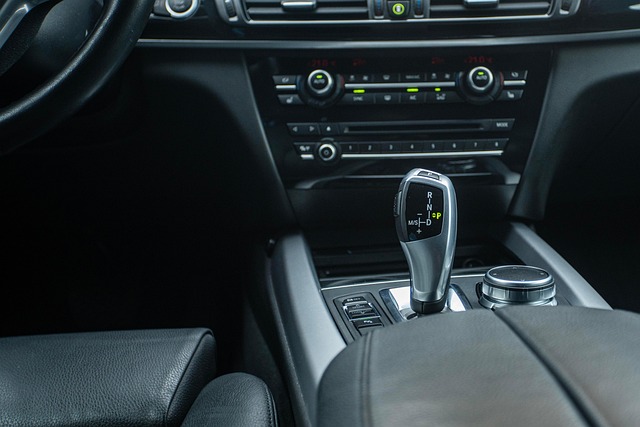
To complete the registration process in California, you’ll need to fill out the California Car Registration Application, a crucial step ensuring your vehicle complies with state regulations. This form requires detailed information about your car, including its make, model, and year, along with your personal details as the owner. It’s essential to ensure all data is accurate and up-to-date to avoid any delays or issues during the registration process.
One critical component of this application involves providing the Vehicle Identification Number (VIN). The DMV offers a VIN verifier to assist in this task, allowing you to quickly and accurately extract your vehicle’s unique 17-character identifier. Alternatively, many mobile vin verifiers are available, providing convenient, on-the-go VIN inspection—a useful tool when preparing registration documents. These digital solutions streamline the process, especially for those with busy schedules or limited access to traditional verification methods.
By utilizing a reliable vin verifier, whether it’s through the California DMV’s online tools or a mobile application, you can confidently enter your VIN details onto the registration form. This step is vital as an incorrect VIN may lead to delays or even rejection of your registration application. Remember, attention to detail during this process ensures a smooth transition for your vehicle into California’s registered fleet, setting a positive tone for its future interactions with state agencies.
Verify Vehicle Identification Number (VIN) with DMV

Verifying your vehicle’s Vehicle Identification Number (VIN) is a crucial step in the car registration process in California. This essential task ensures that the DMV has accurate information about your vehicle before issuing registration and license plates. One effective method to confirm the VIN is by utilizing a DMV vin verifier, which can be done through a mobile inspection or an online tool provided by the California Department of Motor Vehicles (DMV).
When conducting a VIN inspection, you’ll need to compare the number displayed on the vehicle’s registration documents and the one engraved or stamped on various parts of the car, such as the dashboard, engine block, or frame. Many individuals opt for a mobile vin inspection service, where a professional will visit your location to perform this verification process. This method is particularly convenient, especially if you’re dealing with an older vehicle or have had recent modifications made. By using a mobile vin verifier, you can ensure that any changes to the car’s VIN are accurately documented, which is critical for maintaining proper registration and legal compliance.
For those who prefer a DIY approach, the DMV offers online tools to check and verify VINs. This process typically involves entering your vehicle’s unique VIN into a secure database, which will return detailed information about the car’s history and specifications. While this method may not be as hands-on as a physical inspection, it provides an additional layer of verification and is readily accessible to California residents. By combining these vin inspection methods—whether through a professional service or the DMV’s online tools—you can ensure that your vehicle’s registration process is seamless and accurate, leaving no room for error.
Submit and Pay for Your California Car Registration

To complete the registration process for your vehicle in California, you’ll need to submit and pay for your car registration at the Department of Motor Vehicles (DMV). This involves several crucial steps, ensuring all necessary documents are prepared and accurate. One efficient method to streamline this procedure is by utilizing a DMV VIN verifier, which can be done either online or through mobile apps. These tools allow you to verify your vehicle’s identity using its unique Vehicle Identification Number (VIN), a critical component in the registration process.
When registering a car in California, you’ll typically require specific documents, including proof of insurance, a completed application form, and payment for the registration fee. It’s essential to double-check that all information is correct, especially your VIN, as errors or discrepancies may delay processing. Mobile VIN inspection apps are handy tools for this purpose, enabling you to quickly verify your vehicle’s details before submitting your application. For instance, some popular mobile apps offer real-time VIN inspection and can cross-reference the data with official DMV records, ensuring accuracy.
After submission, you’ll typically receive a confirmation and an estimated processing time. Keep in mind that turnaround times may vary depending on current demand and the method of submission, whether it’s online or through mail. It’s advisable to allow some buffer time for potential delays and ensure your vehicle is up-to-date with all required inspections, including a VIN inspection if you’re registering a new or used car. This proactive approach will help avoid any last-minute hassles and ensure a smooth registration experience in the Golden State.
Registering a car in California involves several crucial steps, from gathering essential documents to verifying your vehicle’s identification number (VIN) with the DMV. By ensuring your vehicle is prepared for inspection and completing the registration application accurately, you streamline the process. A key step is using a DMV VIN verifier to confirm your VIN, which safeguards against fraud and ensures compliance. Once submitted and paid, your California car registration becomes official, marking a significant milestone in owning a vehicle within this populous state. This authoritative guide provides clear insights for navigating each phase successfully.