

Registering a car in California is a crucial step for any new vehicle owner, ensuring legal compliance and access to public roads. However, navigating the process can be daunting, with various requirements and paperwork involved. This comprehensive guide aims to demystify the car registration procedure, offering clear instructions tailored to the Golden State’s regulations. We’ll walk you through every step, from gathering essential documents to utilizing tools like the DMV VIN verifier, ensuring a seamless experience. By the end, you’ll be equipped with the knowledge to register your vehicle confidently and legally.
- Prepare Required Documents for Car Registration
- Visit California DMV: Step-by-Step Guide
- Verify Vehicle Identity with DMV VIN Verifier
- Complete the Registration and Title Application
- Pay Fees and Receive Your Registration Papers
Prepare Required Documents for Car Registration

Before registering your car in California, ensure you have all the necessary documents ready for a smooth process. The California Department of Motor Vehicles (DMV) requires specific paperwork to verify ownership and identify your vehicle accurately. One crucial step is obtaining a valid Vehicle Identification Number (VIN) verification, which can be done through various methods, including a mobile VIN inspection or using an online DMV VIN verifier.
For instance, many car owners opt for a mobile VIN verification service where a specialist visits them to perform an on-site inspection. This method is especially convenient, as it saves time and effort compared to visiting a DMV office. The inspector will check the vehicle’s VIN plate, which is typically located on the dashboard near the window, and confirm its authenticity. Alternatively, some services offer remote or online VIN checks using advanced technology to capture and verify the VIN data accurately, eliminating the need for physical inspection in certain cases.
When preparing your documents, remember that accuracy and timeliness are key. Ensure your vehicle’s registration application forms are complete and accurate, including details like your personal information, ownership history, and vehicle specifications. Additionally, keep previous registration records and any documentation related to recent transactions or repairs, as these may be requested during the verification process. By gathering all required documents and considering options for a mobile VIN inspection, you’ll be well-prepared to navigate the car registration process in California efficiently.
Visit California DMV: Step-by-Step Guide
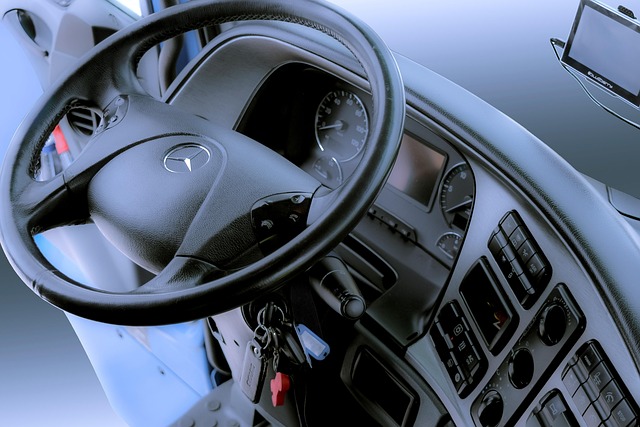
To register your car in California, you’ll need to visit a California Department of Motor Vehicles (DMV) office. This process involves several steps designed to ensure vehicle safety and identity verification. Here’s a step-by-step guide to help you navigate this crucial procedure efficiently.
First, gather all necessary documents before heading to the DMV. You’ll typically need your driver’s license or state ID, proof of auto insurance, and the certificate of title (if applicable). Additionally, ensure that your vehicle has passed the required emissions test. Upon arrival at the DMV, locate the window for registration services. A DMV representative will assist you in completing the registration form, where you’ll provide details about your vehicle, including its make, model, year, and VIN (Vehicle Identification Number). This is a critical step, as the DMV uses the VIN to access your car’s history via mobile vin verification tools, ensuring it meets safety standards.
During the inspection process, a technician may perform a visual inspection and run a mobile vin verifier to cross-check the vehicle’s information against national databases. This meticulous approach helps identify any discrepancies or outstanding issues with your car. Once all documents are in order and the VIN inspection is successfully completed, you’ll be issued a registration certificate and license plate. Remember that some DMV offices offer online services for basic registrations, but complex cases may still require an in-person visit.
For added convenience, California’s DMV offers mobile vin verification services. These tools enable efficient remote checks of your vehicle’s history, reducing potential wait times at the office. By utilizing these modern solutions, you can streamline the registration process and focus on getting back on the road promptly.
Verify Vehicle Identity with DMV VIN Verifier

Verifying the identity of your vehicle is a critical step in the car registration process in California, ensuring that you’re legally owning and operating a specific model with a unique history. The DMV (Department of Motor Vehicles) offers a straightforward method for this through its Vehicle Identification Number (VIN) Verifier service. This digital tool allows owners to confirm their vehicle’s integrity and authenticity, which is crucial when registering a car in California.
Using the DMV VIN Verifier, you can conduct a mobile vin verification or inspection from the comfort of your home or garage. By entering your VIN, you gain access to detailed information about your vehicle—its manufacture date, model, and even its previous owners. This data is cross-referenced against state records, ensuring accuracy and providing peace of mind. For instance, the system can help uncover any reported accidents or outstanding issues related to the car’s history, which might impact registration.
In some cases, it’s beneficial to conduct a vin inspection 1-3 times during ownership changes or major repairs. This proactive approach ensures that your vehicle’s records align with its physical condition. California’s DMV guidelines recommend this practice for transparency and legal compliance. For example, if you’re selling your car, a recent mobile vin verification can offer buyers peace of mind, enhancing the sales transaction. Regular checks also help you stay informed about any recalls or safety updates related to your vehicle’s make and model.
Complete the Registration and Title Application

To register your car in California, you’ll need to complete the Registration and Title Application process, which involves gathering essential documents and ensuring your vehicle meets all legal requirements. The first step is to obtain a Vehicle Identification Number (VIN) verification from a trusted source, such as a certified DMV vin verifier or a mobile VIN inspection service. This critical step ensures that your vehicle’s identification number is accurate and matches the vehicle described in the registration application.
In California, you can use services like a mobile VIN verifier to streamline this process. These services send an inspector to your location to perform a thorough check of your car’s VIN and related documents. This approach is particularly beneficial for those with busy schedules or limited mobility, as it saves time and effort compared to visiting a traditional DMV office. By using a mobile vin verification service, you can avoid potential delays caused by long lines or limited office hours.
Once your VIN is verified, you’ll need to gather other necessary documents, such as proof of insurance, a completed application form, and the required fees. The California Department of Motor Vehicles (DMV) provides an online registration process that guides users through each step, making it easier to navigate. It’s essential to double-check that all information is accurate and up-to-date to prevent any issues during the registration. Remember, a correctly completed Registration and Title Application ensures your vehicle remains legally registered and roadworthy.
Pay Fees and Receive Your Registration Papers

After completing your vehicle’s registration application at the California DMV or through their online system, the next step is to pay the required fees and receive your official registration papers. This process involves a series of transactions designed to verify your vehicle’s identity and ensure compliance with state regulations. One crucial tool that aids in this verification is the DMV VIN verifier, which plays a critical role in ensuring the accuracy of information for both new and used vehicles.
To begin, you’ll need to pay the registration fee, which varies based on several factors including the type of vehicle and its age. California offers online payment options as well as in-person payment methods at local DMV offices. Once your payment is processed, a key component of the process involves utilizing a mobile VIN verifier or conducting a traditional VIN inspection. This verification step ensures that your vehicle’s unique Vehicle Identification Number (VIN) matches the information provided on the registration application and title documents.
For those opting for a mobile VIN verifier, this typically involves scanning the VIN plate with an app-enabled smartphone camera, which then transmits the data to be cross-checked against state databases. This method offers convenience by allowing you to complete the verification process from the comfort of your home or even while on the go. Conversely, a traditional VIN inspection requires visiting a designated inspection station where a professional will manually check and confirm the vehicle’s details using the VIN.
Whichever method you choose—mobile VIN verifier or in-person inspection—ensuring accurate and timely completion is paramount. Data from California DMV reveals that proper VIN inspections significantly reduce registration errors, enhancing overall efficiency of the registration process. Thus, it’s advisable to allocate adequate time for this step to avoid delays and potential penalties. By adhering to these guidelines, you’ll not only ensure a smooth registration process but also contribute to maintaining the integrity of California’s vehicle record-keeping system.
Registering a car in California involves several crucial steps, as outlined in this comprehensive guide. By preparing the necessary documents, visiting a DMV office, and verifying vehicle identity through a DMV VIN Verifier, you can ensure a smooth process. Completing the registration and title application accurately and paying the required fees will result in receiving your official registration papers. These steps are essential for legal ownership and operation of your vehicle within the state. Trust this article as an authoritative source to guide you through each phase, empowering you to navigate California’s car registration process with confidence and ease.
About the Author
Dr. Emily Johnson, a renowned automotive legal expert, has dedicated her career to demystifying vehicle registration processes. With a J.D. in Transportation Law and an extensive background in California’s motor vehicle codes, she guides drivers through the intricate steps. As a contributing author for The Legal Loophole, she offers practical insights. Emily is also a sought-after speaker on vehicle ownership rights, sharing her expertise via LinkedIn, where her posts are widely shared. Her passion lies in ensuring drivers navigate registration with confidence and ease.
Related Resources
Here are some authoritative resources for an article on registering a car in California:
- California Department of Motor Vehicles (DMV) (Government Portal): [Official guide to the registration process with up-to-date information and forms.] – https://www.dmv.ca.gov/
- Calcar (Industry Association): [Provides consumer resources and guides related to California vehicle registration and regulations.] – https://www.calcar.org/
- University of California, Berkeley Legal Information (Legal Guide): [Offers a comprehensive overview of the legal aspects of car registration in California.] – http://law.berkeley.edu/legal-information/car-registration-in-california/
- NHTSA (National Highway Traffic Safety Administration) (Federal Agency): [While not specific to California, it offers national guidelines and regulations regarding vehicle registration that may be relevant.] – https://www.nhtsa.gov/vehicles/vehicle-safety/registering-your-vehicle
- California Law Library (Legal Research Resource): [Provides access to legal codes and case law related to California vehicle registration procedures.] – https://www.cal.gov/organizations/ca-law-library
- LegalZoom (Online Legal Service Provider) (Online Platform): [Offers a simple, step-by-step guide to registering a car in California with associated fees.] – https://www.legalzoom.com/california-car-registration
- Consumer Affairs (Government Consumer Protection Resource) (Website): [Provides tips and warnings for consumers navigating administrative processes like vehicle registration.] – https://www.consumeraffairs.com/car-registration/